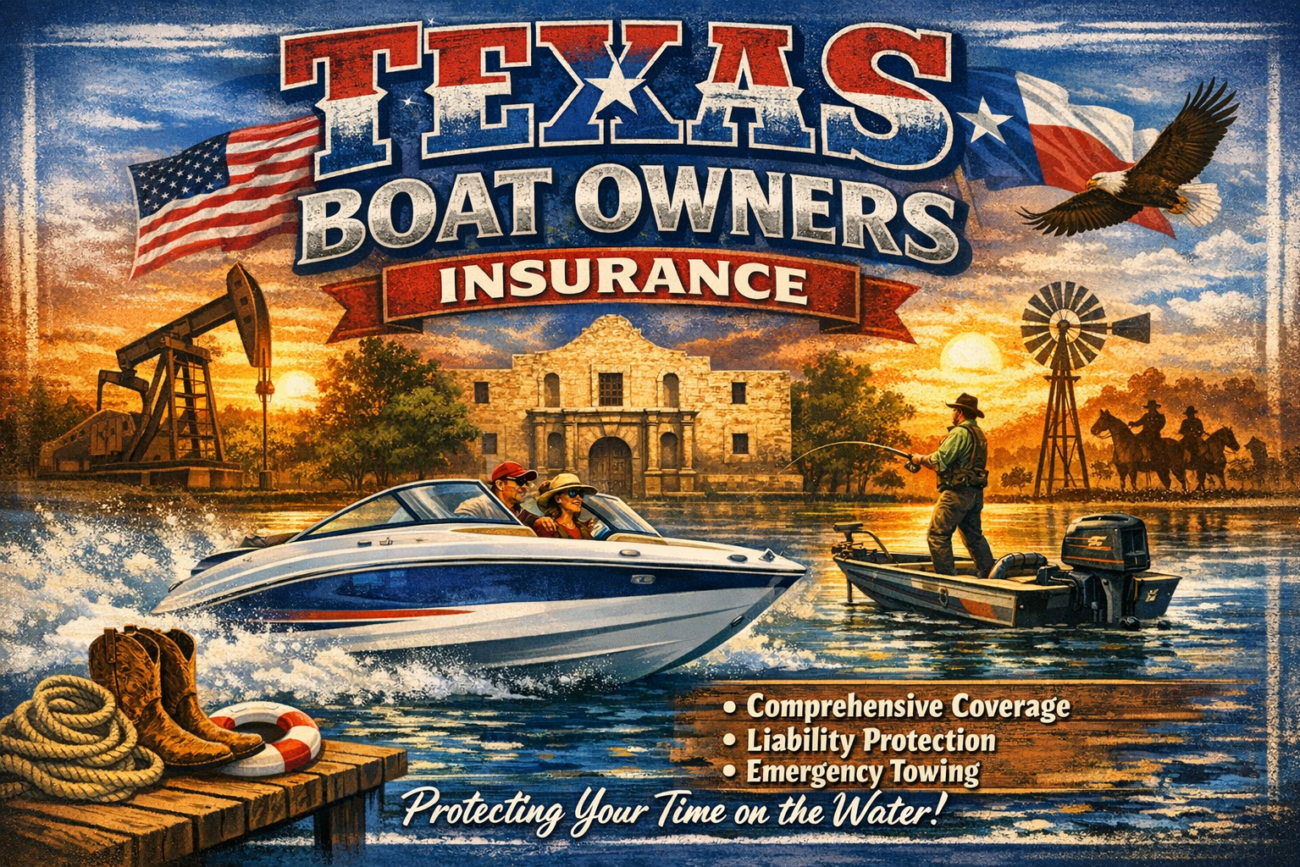
Owning a boat in Texas opens up a world of adventure, whether you’re fishing in the Gulf, tubing on Lake Travis, or exploring endless inland waterways. But alongside the freedom of the open water comes responsibility, and that’s where Texas boat insurance comes into play. Having the right coverage not only protects your investment but also ensures you can enjoy your time on the water with peace of mind. In this article, we’ll break down the essentials of boat insurance in Texas, covering key coverage options, what affects your rate, and how to choose the policy that’s right for you.
Understanding the Basics of Texas Boat Insurance
Carriers designed boat insurance in Texas to protect you, your vessel, and others from the risks that come with boating. Unlike auto insurance, Texas law does not require boat coverage for most personal watercraft. However, if you finance your boat with a loan, lenders will typically require you to carry comprehensive coverage. Even when insurance isn’t mandatory, it’s a smart move, as boating accidents, theft, and storm damage can lead to significant financial losses.
A standard Texas boat insurance policy typically covers physical damage to your boat, liability for injuries or property damage, and sometimes, personal effects stored on the vessel. Coverage often extends to your trailer and other boating equipment. It’s important to note that boat insurance is distinct from homeowners policies, which often offer minimal or no protection for boats, especially those valued over $1,500 or exceeding certain size or horsepower limits.
Many boat owners mistakenly believe their homeowners insurance is enough, only to discover the coverage gaps too late. With Texas’s diverse waterways and weather patterns, specialized boat insurance is essential for safeguarding your investment and ensuring you can get back on the water after an incident.
Key Coverage Options for Texas Boaters Explained
Texas boat owners can choose from several coverage options, each tailored to different needs and vessel types. The core of most policies is physical damage coverage, which pays to repair or replace your boat if it’s damaged by collision, vandalism, fire, or severe weather. This protection usually applies while your boat is in the water, in transit, or even stored on land.
Liability coverage is another key component, providing financial protection if you’re found responsible for injuries to others or damage to their property while operating your boat. In Texas, where crowded lakes and busy marinas are common, liability coverage can be invaluable for peace of mind. Many insurers also offer medical payments coverage, which helps pay for injuries to you or your passengers, regardless of who was at fault.
Additional coverage options include uninsured/underinsured boater protection. Also, towing and assistance, personal effects coverage, and fuel spill liability. These enhancements can be especially valuable for Texas boaters who frequent remote waters or participate in activities such as fishing tournaments, where specialized equipment is often carried aboard.
Factors Affecting Boat Insurance Rates in Texas
Several factors influence what you’ll pay for boat insurance in Texas. First and foremost is the type and value of your vessel. Larger and more expensive boats typically cost more to insure due to the higher risk and potential cost of repairs or replacement. The horsepower and speed capabilities of your boat also play a role. Faster boats often come with higher rates.
Your boating experience and claims history are additional considerations. Insurers may offer discounts to experienced boaters or those who have completed safety courses. Conversely, a history of claims, accidents, or violations can increase your premiums. Where you keep and use your boat matters as well. Boats stored in areas prone to hurricanes or theft, such as along the Gulf Coast, may see higher rates.
Finally, the coverage limits and deductibles you select will impact your premium. Opting for lower deductibles or higher coverage limits provides greater protection but comes at a higher price. Balancing these factors is key to finding a policy that suits both your needs and your budget.
Tips for Choosing the Right Policy for Your Vessel
Selecting the right boat insurance policy in Texas starts with assessing how you use your boat and what risks you want to cover. Make a list of your must-have coverage, such as physical damage, liability, and equipment protection. Then compare policies from several reputable insurers. Don’t hesitate to ask about discounts for bundling policies, taking safety courses, or installing anti-theft devices.
It’s important to read the fine print and understand not just what’s covered, but any exclusions or limitations. For example, some policies may restrict coverage to certain waters. Thus, exclude racing or commercial use, or limit protection for high-value personal effects. Clarifying these details up front can prevent unwelcome surprises in the event of a claim.
Lastly, work with an agent who understands the specific needs of Texas boaters. They can help tailor a policy to your vessel, usage habits, and local risks, whether you’re cruising the coast or fishing in inland lakes. Regularly reviewing your policy ensures your coverage keeps pace with any changes.
Conclusion
Navigating Texas’s waters is a rewarding experience, but it’s essential to prepare yourself for the unexpected. With the right Texas boat insurance, you can protect your vessel, your finances, and your peace of mind no matter where your boating adventures take you. By understanding your options, the factors that affect your rates, and how to choose the best policy, you’ll set sail with confidence.